Battle Box: A Playful Font for Creative Projects
Understanding the Personality of This Typeface
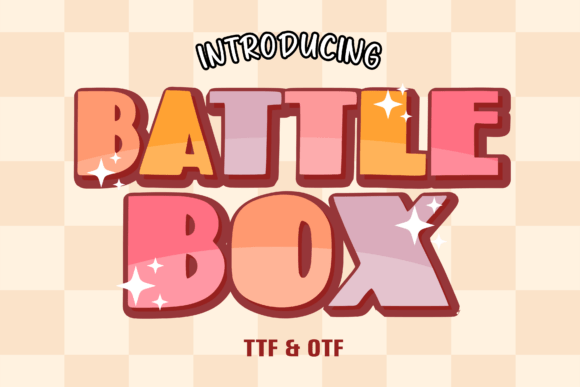
Finding the right typeface for a project that needs to feel energetic, youthful, or simply fun can be a challenge. Many standard fonts feel too corporate or serious. Battle Box is a children's play font designed to fill that gap. It brings a distinct retro charm and a sense of imagination to any design it touches. Think of it not just as a set of letters, but as a design asset with its own character. Its style leans into a handcrafted, slightly uneven aesthetic that feels approachable and full of personality. This isn't a font for legal documents or body text in a novel; it's a creative font meant for headlines, logos, and moments where you want to inject a dose of playful energy.
The visual characteristics of Battle Box are key to its appeal. It often features rounded edges, uneven baselines, and a weight that feels solid yet friendly. This combination gives it a nostalgic quality, reminiscent of vintage toy packaging or classic comic book lettering, but with a modern typography sensibility that keeps it from feeling dated. The personality is unmistakable: it's confident, cheerful, and slightly mischievous. This makes it an excellent choice for projects targeting families, children, or any audience that appreciates a lighthearted and engaging visual tone.
Where Battle Box Truly Shines: Practical Applications
The true value of a display font like Battle Box lies in its versatility across different mediums. Its strong personality makes it a standout choice for logo design, especially for brands in the toy, game, children's education, or entertainment sectors. A bakery wanting a whimsical brand identity or a podcast about retro culture could also use this typeface to great effect. The font's style immediately communicates a specific vibe, helping to shape brand perception from the first glance.
For publishers and content creators, Battle Box is a natural fit for editorial design. Consider its use on the cover of a children's book, the title of a fun magazine article, or the chapter headings in an activity guide. Its readability at larger sizes makes it perfect for these applications. In packaging design, it can make a product jump off the shelf, whether it's on a box of cereal, a bag of snacks, or a set of stickers. The font's playful nature helps create an emotional connection with the consumer, suggesting the product inside is enjoyable.
Digital spaces also benefit from its charm. For web design, using Battle Box for hero section headlines, call-to-action buttons, or event banners can significantly boost user engagement. It breaks the monotony of standard web-safe fonts and adds a memorable visual element. Social media graphics are another ideal use case. A bold, fun font is crucial for stopping the scroll on platforms like Instagram or TikTok. Battle Box can be used for quote graphics, promotional announcements, or thumbnail text, ensuring your content is both eye-catching and on-brand.
Beyond commercial projects, this font has a strong place in personal and crafting endeavors. Hobbyists creating custom party invitations, personalized children's artwork, or scrapbook layouts will find it incredibly useful. Its aesthetic adds a professional touch to DIY projects, making them feel more polished and intentional. The font's character helps tell a story, which is the core of any good design, whether for a client or for yourself.
Integrating Battle Box into Your Design Workflow
Choosing a creative font is just the first step. To use it effectively, you need to consider how it integrates with your overall design. The first consideration is font pairing. Because Battle Box is a strong display font with a lot of personality, it works best when paired with a more neutral companion. A clean sans serif font for body text is a classic and reliable choice. For example, pairing Battle Box with a simple, geometric sans serif like Poppins or a humanist sans serif like Open Sans creates a clear visual hierarchy. The playful font commands attention for headlines, while the sans serif ensures the supporting text remains highly readable. You could also experiment with a simple serif font for a different kind of contrast, but avoid pairing it with other highly decorative scripts or handwritten fonts, as this can create visual chaos.
Before committing, always test the font in context. Evaluate how it looks at the specific size you'll use. A font that looks great as a large headline might lose its charm or become difficult to read at a smaller point size. Review the full character set included with the font file. Does it have the punctuation, numerals, and special characters your project requires? Check for multiple weights or styles, such as a bold or outline version, which can provide more design flexibility. This practical evaluation is a critical part of the design process, ensuring the asset truly fits your project's needs.
Finally, for any professional work, understanding the commercial license is non-negotiable. Most premium fonts, including quality display fonts like Battle Box, come with specific licensing terms. These terms outline how you can use the font—for example, in digital ads, on physical products, or in software. If you're a small business owner or entrepreneur using the font for a client project or your own merchandise, you must ensure your license covers commercial use. This is a standard part of working with professional design assets and protects both you and the font creator. By following these practical steps, you can confidently incorporate Battle Box into your toolkit, using its unique retro charm to create designs that are not only visually appealing but also effective and professional.