Bold Retro: The 70s-Inspired Display Typeface for Modern Design
Take a trip back to the era of peace, love, and bold design with the Bold Retro font. This standout display typeface from the Smart Font Collection isn't just another retro revival; it captures the genuine essence of 70s typography with a fresh, contemporary twist. For designers, entrepreneurs, and creators looking to inject a project with vibrant energy and nostalgic charm, this creative font offers a powerful and versatile tool.
The Visual Personality of Bold Retro
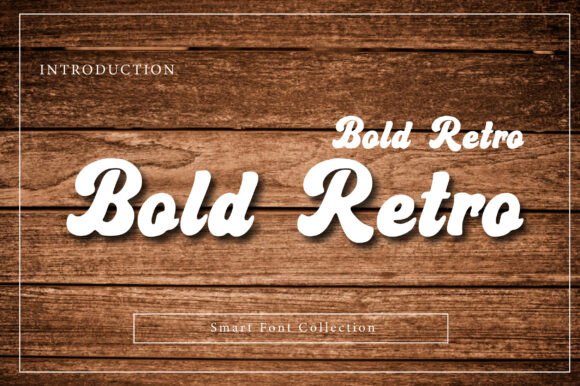
What makes this typeface instantly recognizable? First, it’s the luscious, pillowy curves that define each character. These aren’t sharp, geometric lines; they’re soft, flowing shapes that feel almost three-dimensional. This gives the font a warm, approachable silhouette that is inherently friendly. Then there’s the rhythmic, “bouncing” baseline. The letters don’t sit in a rigid, straight line. Instead, they have a subtle, wave-like motion that evokes a sense of groovy energy and movement. This dynamic quality makes headlines and logos feel alive and engaging.
Despite its playful personality, the heavy weight of Bold Retro ensures it commands attention. It’s a true display font, designed for high-impact moments like titles, logos, and hero graphics. Its strength lies in its legibility, even when placed on challenging, textured backgrounds like natural wood grain, craft paper, or noisy photographic textures. The bold strokes and open counters (the spaces inside letters like ‘o’ or ‘e’) ensure clarity remains a priority, making it far more functional than many purely decorative scripts.
Where Bold Retro Truly Shines: Practical Applications
This isn’t a font for long paragraphs of body copy. Its role is to make a statement. Think of it as the headline act, supported by a more understated sans serif font or even a simple serif font for supporting text.
Branding & Logo Design: Bold Retro is exceptional for creating logo design with personality. Imagine it for a trendy café, a boutique record store, a craft brewery, or a retro-themed apparel line. It instantly communicates a brand identity that is fun, creative, and steeped in a vintage aesthetic. The font’s built-in character does much of the heavy lifting in establishing brand perception.
Packaging & Editorial Design: In packaging design, it’s perfect for product names on labels for craft sodas, artisanal foods, or vinyl records. For editorial design, use it for magazine covers, chapter titles in a book, or standout pull quotes that break up the page and draw the reader’s eye.
Digital & Social Media: In the fast-paced world of web design and social media, stopping the scroll is everything. Bold Retro excels here. Use it for social media graphics, YouTube thumbnails, website hero banners, or email newsletter headers. Its vibrant energy helps content stand out in a crowded feed, boosting engagement and click-through rates.
Events & Personal Projects: From a summer music festival poster to a series of motivational “positivity” cards, the font’s optimistic vibe is infectious. It’s also ideal for personal projects like wedding invitations with a retro theme, custom apparel prints, or scrapbooking titles.
Making It Work: Guidance for Choosing and Using Bold Retro
Integrating a premium font like Bold Retro into your workflow is straightforward with a few practical considerations.
Evaluating Project Fit
Ask yourself: Does my project’s message align with nostalgia, energy, playfulness, or vintage charm? If the answer is yes, this modern typography choice is likely a strong fit. It’s less suited for ultra-corporate, minimalist, or highly formal contexts where a neutral sans serif font would be more appropriate.
The Art of Font Pairing
The key to using a strong display typeface effectively is pairing it with a complementary companion. Avoid pairing it with another bold or overly stylistic font like a complex script font or handwritten font, as this creates visual competition.
- For a clean, modern contrast: Pair Bold Retro with a simple, geometric sans serif font like Montserrat, Futura, or Lato. This lets the retro font be the star while maintaining readability for body text.
- For a harmonious, vintage feel: Combine it with a classic, readable serif font like Garamond or Baskerville. This creates a timeless aesthetic that feels both curated and professional.
Color and Texture Synergy
Bold Retro sings when paired with warm, earthy color palettes. Think burnt oranges, mustard yellows, teals, and creamy off-whites. It also integrates beautifully with grainy, vintage-style photography and textured backgrounds, enhancing its retro character. Using it on a flat, solid color can sometimes feel less dynamic—embracing texture adds depth and authenticity.
Readability and Hierarchy
Always prioritize readability. Use it at larger sizes for headlines and titles. Test it on different backgrounds and devices to ensure the characters remain distinct, especially for shorter words. In a design, establish a clear visual hierarchy by using Bold Retro for primary headlines and a secondary, simpler font for subheadings and body copy. This guides the viewer’s eye and makes information easy to digest.
Licensing and Assets
When you choose a commercial font like Bold Retro, you’re investing in a professional design asset. Always review the included styles—does it come with alternate characters, ligatures, or multiple weights? Understanding the full scope of what’s included allows you to maximize its potential. Ensure the license covers your intended use, whether for a client’s brand identity, merchandise, or digital advertising.
Ultimately, Bold Retro is more than just a typeface; it’s a bridge to a beloved design era. It provides designers and creators with a reliable, expressive tool to build brand identity