Naive Inline Sans: A Layered Font with Handmade Charm
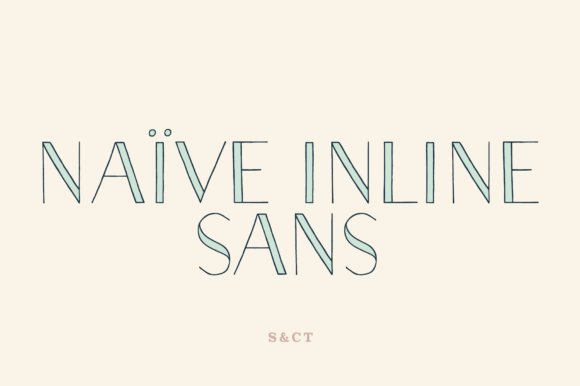
There’s a particular quality in design that feels both modern and human, polished yet imperfect. It’s the kind of charm that draws you in without shouting. Naive Inline Sans captures this feeling beautifully. It’s not just a sans serif font; it’s a carefully crafted handwritten font system with a layered structure, designed by Fanny Coulez and Julien Saurin in Paris. The goal was clear: create a typeface with finely irregular lines that evoke a whimsical, approachable personality. This isn’t a sterile, geometric typeface. It has a pulse, a slight hand-drawn quality that makes text feel more personal and engaging.
What sets this premium font apart is its versatility. It comes in three distinct weights, ensuring good readability whatever the size—a crucial factor for everything from a headline on a poster to body text on a website. But the real magic lies in its layering system. You can enhance the base font with five different interior patterns and three shadow options. Imagine taking the bold weight, setting it in a vibrant color, and then layering a delicate, textured pattern underneath in a contrasting shade. The result is a creative font that adds depth, dimension, and a truly charming and unusual feeling to your work. This process is straightforward in software like Photoshop: simply superimpose the layers, with the weight on top and the pattern(s) below, and assign a color to each layer.
Where Does This Whimsical Typeface Shine?
The personality of Naive Inline Sans makes it a standout choice for projects that need to feel authentic and memorable. Think about brand identity for a boutique bakery, a craft brewery, or a local artisan studio. Its handwritten roots convey care and craftsmanship, while the clean inline structure keeps it modern and legible. It’s an excellent candidate for logo design, where it can form a unique wordmark that’s both friendly and professional.
In editorial design, this font can transform a magazine feature or a book cover. The layered patterns add a tactile, almost collage-like quality to headlines, perfect for lifestyle, travel, or food publications. For packaging design, it’s a natural fit. A product label using Naive Inline Sans with a subtle interior pattern can instantly stand out on a shelf, communicating a brand’s unique story. It’s equally at home in the digital space. Use it for eye-catching social media graphics, website hero sections, or blog headers to inject personality into your web design. The three weights provide enough flexibility to create a clear visual hierarchy, guiding the reader’s eye effectively.
Making It Work: Practical Guidance for Designers
Choosing any display font requires a thoughtful approach. First, consider your project’s tone. Is it playful, sophisticated, or rustic? The whimsical nature of Naive Inline Sans leans toward approachable and creative, so it might not be the best fit for a formal law firm’s brand identity, but it could be perfect for a children’s educational app or a creative agency’s portfolio.
Next, evaluate readability. While the font is designed for clarity, the decorative patterns are best reserved for larger sizes, like headlines or pull quotes. For longer body text, stick to the clean base weights. A key part of using any creative font effectively is testing font pairing. Naive Inline Sans pairs well with a simple, neutral serif font or a clean sans serif font for body copy. This contrast allows the display font’s personality to shine without overwhelming the reader. For example, pair it with a workhorse like Open Sans or Lora for a balanced, readable layout.
Review the included styles. The ability to mix and match the base weights with different patterns and shadows is a huge asset. Experiment with color combinations. A monochromatic scheme can look elegant, while contrasting colors create energy and focus. Remember to check the licensing. As a commercial font, ensure your license covers your intended use, whether it’s for client work, products for sale, or large-scale digital distribution.
Building a Cohesive Design Language
One of the strengths of Naive Inline Sans is that it belongs to a larger Naïve superfamily. This includes variations like Line, Inline, Serif, Sans Serif, and a special Art Deco version. This is a powerful tool for building a consistent yet dynamic brand identity or a cohesive design asset library. You could use the Art Deco variant for a vintage-inspired project, the Serif version for a classic touch, and the Inline Sans for modern, layered headlines—all within the same visual family. This ensures your designs feel unified across different applications and media.
Ultimately, fonts like Naive Inline Sans are more than just design assets; they are tools for storytelling. They help set a mood, convey a brand’s values, and connect with an audience on an emotional level. By leveraging its unique layered system and embracing its handmade charm, you can create designs that are not only visually striking but also genuinely engaging. It’s a reminder that in modern typography, sometimes the most effective designs are the ones that feel a little less perfect and a lot more human.