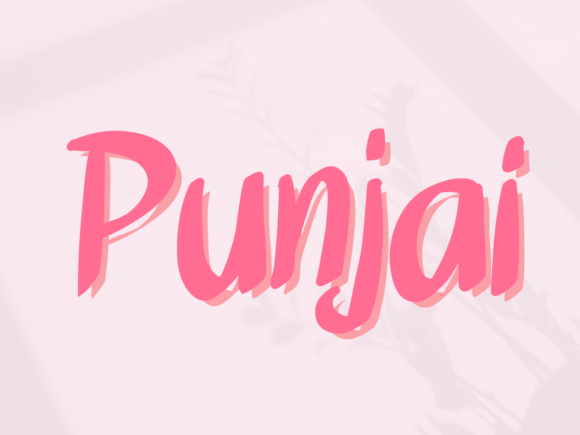
Punjai: A Handwritten Font That Brings Joyful Energy to Your Projects
There's something special about a font that makes you smile the moment you see it. Punjai is exactly that kind of typeface—a cute, quirky handwritten font designed to inject genuine warmth and playfulness into creative work. Whether you're building a brand from scratch, designing social media content, or putting together packaging for a small business, this premium font offers a refreshing alternative to the overused script fonts flooding the market.
What sets Punjai apart isn't just its visual charm. It's the way it communicates personality without trying too hard. The letterforms have a natural, hand-drawn quality that feels authentic rather than manufactured. Each character carries subtle irregularities—the kind you'd see in actual handwriting—which gives text set in Punjai a human touch that polished, geometric typefaces simply can't replicate.
Understanding Punjai's Visual Character and Personality
Punjai falls squarely into the handwritten font category, but it distinguishes itself through its balance of whimsy and legibility. The strokes have a medium weight with gentle curves and playful terminals. Unlike many script fonts that lean heavily into cursive connections, Punjai maintains relatively clear separation between letters, making it far more readable at smaller sizes than most alternatives in its class.
The overall mood is cheerful and approachable. It doesn't carry the formality of a serif font or the corporate neutrality of a sans serif font. Instead, it sits in a sweet spot that works beautifully for projects needing a personal, friendly tone. Think of it as the typographic equivalent of a warm handshake—inviting, genuine, and memorable.
The x-height is generous, which contributes to its readability across different applications. Ascenders and descenders have enough flair to create visual interest without disrupting text flow. Punctuation and special characters have been carefully crafted to maintain consistency with the overall aesthetic, which is a detail that separates a well-made creative font from a hastily assembled one.
Where Punjai Truly Shines
Not every font works everywhere, and that's perfectly fine. Punjai excels in specific contexts where its personality enhances rather than overwhelms the message. Here's where you'll get the most out of this typeface:
Branding and Logo Design
For businesses that want to project warmth, creativity, and approachability, Punjai works exceptionally well in logo design. It's particularly effective for brands in the food and beverage space, children's products, handmade goods, wellness businesses, boutique retail, and creative services. The font helps establish a brand identity that feels personal and trustworthy—qualities that resonate deeply with consumers who prefer supporting smaller, authentic businesses over faceless corporations.
When using Punjai for logos, consider pairing it with a clean sans serif font for body text. This contrast creates visual hierarchy while keeping the overall design grounded and professional.
Packaging and Product Design
Packaging design is another area where Punjai's charm translates beautifully. Product labels, box designs, hang tags, and stickers benefit enormously from handwritten typography. The font communicates craftsmanship and care—exactly the message small business owners and artisan brands want to send. It works particularly well for organic products, craft beverages, bakery items, candles, skincare, and stationery.
Digital Content and Social Media
In the fast-scrolling world of social media graphics, standing out requires personality. Punjai grabs attention in Instagram stories, Pinterest pins, Facebook ads, and YouTube thumbnails. Its distinctive character helps posts feel less corporate and more relatable, which often translates to higher engagement rates. Content creators, bloggers, and influencers can use it for quotes, callouts, headers, and overlay text on images.
For web design, Punjai works best as an accent font rather than the primary typeface. Use it for hero section headlines, call-to-action buttons, or decorative elements, but pair it with a highly legible sans serif font or serif font for longer body copy. This approach maintains readability while preserving the font's distinctive character.
Editorial and Publishing Projects
Editorial design projects—magazines, newsletters, blog graphics, book covers, and digital publications—can benefit from Punjai's personality. It's especially useful for lifestyle publications, recipe headers, pull quotes, and section dividers. Publishers targeting younger demographics or creative audiences will find it adds visual variety without sacrificing cohesion when paired thoughtfully with complementary typefaces.
Practical Guidance for Working with Punjai
Choosing a display font like Punjai requires more than just liking how it looks in a preview. Here are practical considerations to ensure you get the best results:
Evaluate Project Fit First
Before committing to any creative font, ask yourself whether its personality aligns with your project's goals. Punjai is ideal for brands and projects that value warmth, creativity, and approachability. It's less suited for formal corporate communications, legal documents, or contexts requiring strict professionalism. Understanding this distinction upfront saves time and prevents design missteps.
Test Font Pairings Thoroughly
Font pairing is where good design becomes great. Punjai pairs well with geometric sans serifs, humanist sans serifs, and certain transitional serifs. The key is contrast—pair it with typefaces that have clean, structured letterforms to create visual balance. Avoid pairing it with other handwritten or overly decorative fonts, as this creates visual chaos rather than harmony.
Try combinations like Punjai with Montserrat, Open Sans, Lora, or Source Serif Pro. Test these pairings at different sizes and weights to see how they interact in your specific context. What looks balanced in a headline might feel cramped in a button or navigation menu.
Review Included Styles and Glyphs
Quality design assets come with multiple styles, weights, and extended character sets. Check what Punjai includes—does it offer alternates, ligatures, or stylistic sets? These extras give you flexibility and help avoid the "default font" look that makes designs feel generic. Extended language support is also important if your audience includes non-English speakers.
Readability Considerations
Every handwritten font presents readability challenges at certain sizes. Punjai handles this better than many competitors thanks to its clear letterforms, but it still performs best at medium to large sizes. Avoid setting body copy below 14px in Punjai. For print, stay above 12pt. Test your designs at actual viewing distances and on multiple devices before finalizing.
Commercial Licensing
If you're using Punjai for client work, products for sale, or any commercial application, verify the licensing terms. A legitimate commercial font license protects you legally and supports the designers who create these tools. Most premium fonts offer desktop, web, and app licenses—choose the one that matches your use case. Keep license documentation organized, especially when working with multiple clients or projects.
Making the Most of Modern Typography Choices
The landscape of modern typography offers more variety than ever. Fonts like Punjai represent a growing demand for typefaces that feel human and authentic in an increasingly digital world. As audiences grow weary of generic, templated design, distinctive typography becomes a genuine competitive advantage.
The best approach is thoughtful experimentation. Download Punjai, test it across different contexts, and pay attention to how it changes the feel of your designs. Sometimes a single font swap transforms an entire project from forgettable to memorable. That's the power of choosing the right typeface—and Punjai delivers that power with a generous dose of joy.