Vintage Noise: The Gritty Typeface for Bold, Authentic Design
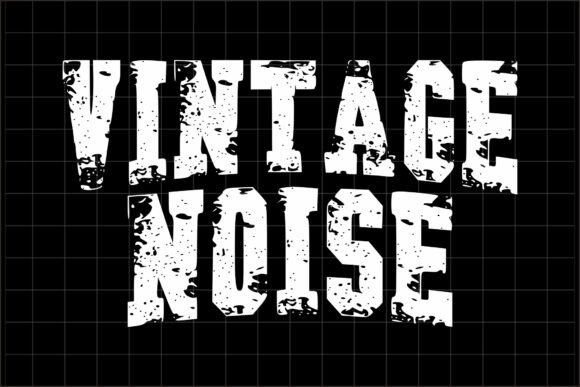
When you're working on a project that demands raw energy and a sense of history, a perfectly smooth digital font can feel out of place. This is where a display typeface like Vintage Noise steps in. It's not just a set of letters; it's a tool for adding a layer of tactile authenticity that modern typography often lacks. Inspired by worn industrial signage and aged print materials, this font carries a visual weight and a distressed texture that immediately communicates character.
The personality of Vintage Noise is unmistakable. It’s bold, rebellious, and unapologetically rough. The edges are worn, the surfaces show a noise-like grain, and the overall effect is one of something that has been used, weathered, and has a story to tell. This isn't the clean, sterile look of a default system font. Instead, it offers a creative font option that feels handcrafted and real. For a designer, this means you can instantly inject a project with a mood that feels masculine, industrial, or street-ready without needing complex post-processing effects.
Where Vintage Noise Truly Shines
Understanding where a font like this excels is key to using it effectively. Its strength lies in short, impactful text where readability at a glance is more important than reading long paragraphs. Think of it as the headline act, not the supporting text.
In branding and logo design, Vintage Noise can be the cornerstone of an identity for a craft brewery, a motorcycle garage, a vintage clothing label, or an independent record store. It sets a clear expectation of the brand's personality before a single word of copy is read. For poster design, particularly for rock bands, film festivals, or underground events, it creates an immediate visual hook that feels authentic to the culture. The font’s distressed nature makes it a natural fit for packaging design on products like hot sauce, artisan coffee, or rugged outdoor gear, where a "handmade" or "established" feel is desirable.
Beyond print, its application in the digital space is powerful for social media graphics and web design. A bold header on a landing page or a striking title card for a video can capture attention in a crowded feed. It’s also a standout choice for streetwear designs and merchandise, where the aesthetic is built on attitude and visual statement. Essentially, any project that needs to avoid a generic, "perfect" digital look can benefit from the textured noise effect this typeface provides.
Practical Guidance for Using This Gritty Typeface
Choosing the right font is only half the battle; using it well is what separates good design from great. Here’s some practical advice for integrating Vintage Noise into your work.
- Evaluate the Project Fit: Ask yourself if the project's core message aligns with the font's personality. A children's book or a luxury spa brochure likely isn't the right context. A vintage arcade bar menu or a rugged product label? Perfect.
- Master the Font Pairing: This is crucial. A strong display font like Vintage Noise needs a calm, highly readable partner for body text. Pair it with a clean sans serif font or a classic, legible serif font. Let Vintage Noise own the headlines and logos, while the simpler font handles descriptions and paragraphs. This creates a clear visual hierarchy.
- Check for Included Styles: A good premium font often comes with more than one weight. See if Vintage Noise includes regular, bold, or italic variations. These can provide flexibility within your brand identity system while maintaining consistency.
- Test Readability at Scale: Always mock up your design and view it at the intended size. The distressed texture is part of its charm, but ensure key letters remain distinguishable, especially at smaller sizes. Its primary role is as a creative font for display, not for body copy.
- Understand the License: If you're using it for commercial work—client projects, merchandise for sale, or monetized content—confirm the font's license allows for this. Respecting font licensing is a mark of professionalism and protects your business.
By thoughtfully applying Vintage Noise, you leverage more than just a typeface. You employ a design asset that contributes directly to your project's narrative. It influences how your audience perceives the brand, enhancing recognition through a distinct and memorable visual voice. The textured, retro feel builds an emotional connection, making your editorial design, packaging design, or digital content feel more grounded and intentional. In a landscape of smooth vectors, sometimes the most professional choice is a font that proudly shows its grit.