Achieve Perfect Cute Minimalism with the Paper Cloud Font
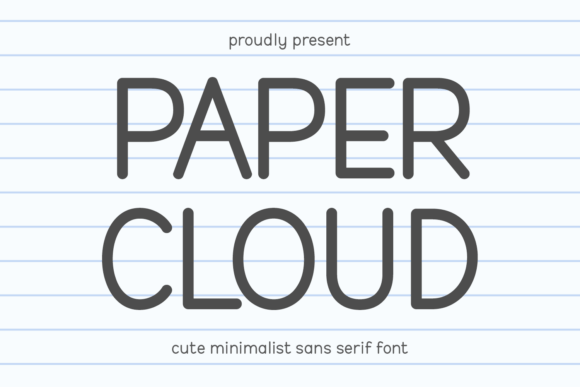
In a digital world saturated with noise, finding a typeface that communicates with both clarity and warmth can feel like a rare discovery. The Paper Cloud font is precisely that—a slender, impeccably clean sans-serif typeface designed to achieve a state of perfect "cute minimalism." It’s not just another font; it’s a design tool that brings a gentle, airy aesthetic to any project, feeling as light and approachable as its name suggests. For designers, bloggers, and brand builders, understanding how to harness this typeface can elevate your work from simply functional to thoughtfully curated.
The Anatomy of Airy Design
What makes Paper Cloud so distinctive? At its core, it’s a masterclass in balanced design. The letterforms are built on a slender skeleton, giving them a lightweight and modern feel. Generous spacing between characters (known as tracking) is a hallmark of its design, preventing any sense of visual crowding and enhancing readability, especially in smaller sizes or on screens. The soft, rounded terminals—where strokes end—eliminate harsh angles, contributing to its friendly and approachable personality. This combination creates a visual rhythm that is calm, clean, and inherently human. It’s a sans serif font that avoids the coldness sometimes associated with the category, instead offering a soft, "scandi-style" simplicity that feels both contemporary and timeless.
Where Paper Cloud Truly Shines
The practical applications of a font like Paper Cloud are vast, but its strengths are most pronounced in projects that demand a soft, human touch without sacrificing professionalism.
- Digital Journaling & Lifestyle Blogs: For headers, pull quotes, and body text in digital journals or lifestyle blogs, Paper Cloud provides exceptional legibility while maintaining a personal, handwritten feel. It makes content feel more like a conversation and less like a corporate report.
- Modern Nursery & Children's Branding: This is where the "cute minimalism" aspect excels. It’s perfect for nursery decor prints, baby shower invitations, and branding for children's apparel or toy shops. The gentle curves and open spacing evoke innocence and care, aligning perfectly with the audience's emotional expectations.
- Editorial & Packaging Design: In editorial design, such as magazine layouts or book covers for contemporary fiction or self-help, Paper Cloud can be used for chapter titles or subheadings to create a clean, inviting hierarchy. For packaging design, especially for organic skincare, artisanal foods, or stationery, it communicates authenticity and modern simplicity.
Strategic Font Pairing and Project Fit
A font never exists in a vacuum. The true power of Paper Cloud is revealed when it’s paired thoughtfully. It acts as a superb supporting player or a clean, standalone headline font.
Evaluating Project Fit: Before choosing Paper Cloud, consider your project's core message. Is it meant to be calming, friendly, and approachable? If the answer is yes, it’s a strong candidate. It’s less suited for projects requiring high-impact, aggressive, or traditionally formal authority—think heavy metal band logos or law firm branding. Its strength lies in its soft power.
Testing Font Pairings: Paper Cloud’s neutral, friendly character makes it a versatile partner. For a dynamic contrast, pair it with a serif font with classic proportions for body text, like a Garamond or a contemporary serif. This creates a clear visual hierarchy where Paper Cloud handles the modern, clean headlines and the serif ensures comfortable long-form reading. For a more cohesive, minimalist look, pair it with a clean, geometric sans-serif in a different weight. It also works beautifully alongside handwritten font or script font styles, where Paper Cloud can provide clear, legible context for more expressive typographic elements.
Practical Implementation: From Selection to Licensing
Choosing a premium font like Paper Cloud is an investment in your brand identity or project's quality. Here’s how to approach it practically:
- Review the Full Family: Don't just look at the regular weight. Check if the typeface includes multiple weights (Light, Regular, Medium, Bold) and possibly italics. This range is crucial for creating a flexible visual hierarchy in your designs, from subtle captions to impactful headlines.
- Conduct a Readability Test: Always test the font in your actual use case. Set a paragraph in your blog's CMS, mock up a social media graphic, or print a sample of your packaging. Check its performance at small sizes, on different screen resolutions, and in print. The generous spacing of Paper Cloud is a built-in advantage here.
- Understand Commercial Licensing: If you're using this for a client, a product for sale, or a business venture, you must ensure you have the correct commercial font license. This isn't just a legal formality; it's about respecting the craft of type design and ensuring you have the rights to use the design assets across all your intended mediums, from web design to printed merchandise.
Integrating a typeface like Paper Cloud into your toolkit is about making a deliberate choice for clarity and warmth. It’s a creative font that doesn’t shout but speaks with assured softness. Whether you’re designing a social media graphics series, establishing a new logo design, or laying out a digital publication, it offers a reliable foundation for work that feels both professional and personally crafted. In the end, the best typography doesn't just display words—it shapes how they are felt, and Paper Cloud does this with an effortless, airy grace.