Marvin: Adding Bold Handwritten Character to Your Projects
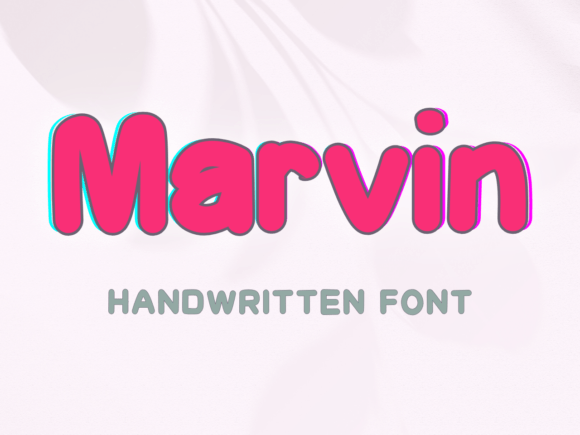
When a design needs to make an immediate, confident statement, the choice of typography is paramount. You're often searching for a typeface that doesn't just sit on the page but actively contributes to the narrative. This is where a display font like Marvin enters the conversation. It’s a bold, handwritten font designed not for body text, but for moments of high impact—headlines that grab attention, logos that feel personal yet strong, and brand identities that resonate with a distinct, stylish energy.
Marvin is crafted with a specific personality in mind. Its letters flow with the organic imperfections of a confident hand, yet they are structured enough to maintain a strong visual presence. The strokes are weighty and assured, giving it a dynamic quality that feels both nostalgic and surprisingly modern. Think of it as a voice that is both friendly and authoritative. It’s not a delicate, airy script font; it’s a statement piece. This quality makes it a valuable asset for any designer or creator looking to inject a sense of human touch and character into their work without sacrificing readability at scale.
Where Marvin Truly Shines: From Logos to Packaging
Understanding a font's strengths is key to using it effectively. Marvin excels in applications where its personality can be the focal point. Its bold nature ensures it remains legible and impactful even when used at smaller sizes for specific elements, but its true purpose is to command the spotlight.
- Logo Design and Brand Identity: For entrepreneurs and small business owners, a logo is the cornerstone of brand perception. Marvin is an excellent choice for brands that want to project confidence, creativity, and approachability. A coffee roaster, a boutique clothing line, a craft brewery, or a personal blog could use Marvin to create a logotype that feels authentic and memorable. It helps build a brand identity that stands out in a sea of sterile, geometric logos.
- Editorial and Publishing Design: In the world of magazines, book covers, and blog graphics, headlines do the heavy lifting. Using Marvin for chapter titles, pull quotes, or feature article headers in editorial design can instantly set a specific mood. It adds a layer of stylistic flair that can transform a standard layout into something with far more visual hierarchy and interest, drawing the reader's eye exactly where you want it.
- Packaging and Product Design: On a crowded shelf, packaging design must communicate quickly. Marvin’s bold, handwritten style can make a product feel handcrafted and premium. Imagine it on a label for artisanal sauces, a tag for handmade candles, or the box for a specialty coffee blend. It communicates care, quality, and a distinct personality that consumers connect with on an emotional level.
- Digital and Social Media Graphics: For content creators and marketers, stopping the scroll is a constant challenge. Marvin is a powerful tool for creating engaging social media graphics. Its strong presence works wonderfully for Instagram quotes, YouTube thumbnails, podcast cover art, and sale announcements. It helps create a consistent and recognizable visual language across digital platforms, boosting audience engagement and brand recall.
Practical Guidance for Using This Creative Font
Adding a new creative font to your toolkit is exciting, but practical application is what matters. To get the most out of Marvin, consider it not just as letters, but as a design asset with specific rules of engagement.
First, evaluate the project's fit. Marvin is a display font, meaning it's designed for headlines and short text, not for long paragraphs. Its strength is in its bold, expressive form. Using it for body copy would harm readability and diminish its impact. Always pair it with a clean, neutral typeface for supporting text. A simple sans serif font or a classic serif font often creates the perfect contrast, allowing Marvin to be the star while ensuring the overall design remains balanced and professional.
Next, consider the context and audience. The nostalgic yet modern character of Marvin makes it ideal for projects targeting adults who appreciate style and craftsmanship. It might not be the right fit for a corporate law firm's annual report, but it could be perfect for a marketing campaign for a new lifestyle product. Testing is crucial. See how the font looks in your specific color palette, at the sizes you'll use, and in the context of your other design elements.
Finally, always check the licensing. Marvin is a premium font, and its license will specify how you can use it—whether for a single project, multiple client projects, or for products you sell. Respecting the commercial font license is a non-negotiable part of professional practice. By choosing a well-crafted typeface like Marvin, you're not just buying a file; you're investing in a design asset that can elevate the quality and consistency of your work, strengthening your brand's visual identity and making a lasting impression on your audience.