Dog Cat: A Playful Color Font for Modern Branding
When you first encounter the Dog Cat typeface, the feeling is immediate: a burst of optimism. It isn’t just another collection of letters; it is a design asset that brings a tangible sense of joy to any canvas. In a digital landscape often cluttered with stark minimalism and rigid geometry, this premium font offers a refreshing, vibrant alternative. It captures the whimsy of a hand-drawn illustration but delivers the technical precision required for professional commercial use. If you are looking to inject personality into your work, Dog Cat provides the visual shorthand for creativity and warmth.
The Anatomy of Whimsy: Visual Style and Character
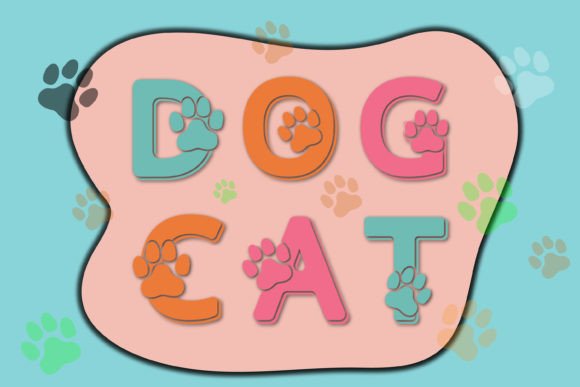
To understand the appeal of Dog Cat, you have to look past the surface. As a modern display font, it relies on a color font format to deliver its unique aesthetic. This means the letters aren't just single-shaded outlines; they can carry texture, gradients, and depth right within the font file. Visually, Dog Cat balances on the fine line between a structured serif font and a loose handwritten font. It features soft, rounded terminals and a rhythm that feels organic, almost like it was painted with a brush that refused to stay still.
The "color" aspect is where this typeface truly shines. It is designed to be the focal point of a composition. The characters often possess a layered look, simulating depth or shadow effects that would usually take hours to create manually in Adobe Illustrator or Photoshop. This characteristic makes it an incredibly powerful tool for logo design where standing out is the primary goal. The personality of Dog Cat is undeniably extroverted—it wants to be seen, and it wants the viewer to smile. However, because it is a vector-based typeface, it scales beautifully, ensuring that whether it is on a massive billboard or a small sticker, the visual integrity remains intact.
Strategic Applications: Where Dog Cat Fits Best
Knowing when to use a creative font like Dog Cat is just as important as the font itself. In the world of typography, context is everything. You wouldn't use a playful display font for legal contracts, but for projects requiring high engagement, Dog Cat is an exceptional choice.
- Packaging Design and Logotypes: For entrepreneurs launching a new product, shelf appeal is critical. Dog Cat works brilliantly for food brands, boutique cosmetics, or children’s merchandise. The font’s inherent charm suggests that the product inside is fun, artisanal, or crafted with care. It acts as a silent ambassador for the brand's personality.
- Editorial and Publishing: In editorial design, such as magazine headers or book covers, this typeface grabs attention instantly. It works best for headlines and sub-headers rather than body copy. Imagine a lifestyle magazine cover using Dog Cat for the main feature story; it immediately sets a tone of approachability and trendiness.
- Digital Presence and Social Media: In the fast-scrolling world of web design and social media graphics, you have milliseconds to stop a user. A vibrant, colorful headline created with Dog Cat can halt the scroll. It is perfect for Instagram stories, YouTube thumbnails, or landing page hero sections where you need to communicate a specific mood—like a sale, a celebration, or a creative tutorial—without using a paragraph of text.
- Events and Personal Projects: For crafters and hobbyists, the font is a dream. Wedding invitations, birthday cards, and scrapbooking projects benefit immensely from the font's whimsical nature. It removes the need for excessive decoration because the typography itself becomes the decoration.
The Psychology of Design: How Dog Cat Influences Perception
Typography is rarely just about legibility; it is about psychology. The font you choose for your brand identity tells a story before the customer reads a single word. Dog Cat influences brand perception by signaling that a business is approachable, modern, and human. It breaks down the wall of corporate stiffness. When a small business owner uses this font, they are subconsciously telling their audience, "We are creative, and we care about aesthetics."
Visual hierarchy is another area where Dog Cat excels. Because it is a display font, it naturally commands the top of the hierarchy. By pairing it with a clean sans serif font for body text, you create a dynamic contrast. The Dog Cat header draws the eye, while the sans serif body text provides the necessary readability for longer paragraphs. This contrast creates a professional rhythm in your design. It prevents the layout from feeling boring or monotone, thereby increasing audience engagement. People are naturally drawn to variety, and mixing a vibrant color font with a neutral body typeface satisfies that psychological need for visual stimulation.
Practical Guide: Evaluating and Implementing Dog Cat
Adopting a new typeface into your toolkit requires a bit of strategy. Here is how to get the most out of Dog Cat without compromising your design workflow.
- Assessing Project Fit: Before downloading, ask yourself: "Who is my audience?" If you are targeting a corporate B2B audience looking for strict efficiency, Dog Cat might be too playful. However, if your audience values creativity, lifestyle, or leisure, this font is a perfect match. It is also vital to ensure your software supports color fonts (such as Adobe Illustrator CC, Photoshop CC, or modern versions of QuarkXPress).
- Mastering Font Pairing: This is crucial. Never pair Dog Cat with another decorative or script font; it will result in visual chaos. Instead, look for a high-quality sans serif font with a geometric or neo-grotesque structure. Fonts like Montserrat, Roboto, or Open Sans provide the stability needed to let Dog Cat shine. The contrast between the whimsical display font and the structured body text creates a polished, professional look.
- Readability Considerations: While Dog Cat is legible at display sizes, avoid using it for small body text or legal disclaimers. The intricate details and colors that make it beautiful at 48pt will turn into visual noise at 10pt. Use it strictly for high-impact moments: headers, logos, pull quotes, and call-to-action buttons.
- Licensing and Usage: As a commercial font, Dog Cat usually comes with specific licensing tiers. Ensure you purchase the correct license for your needs—whether it is for a single desktop user, a team of designers, or for web embedding. Respecting the licensing ensures you can use the font safely in your commercial projects without legal headaches.
Final Thoughts on Creative Assets
Incorporating a font like Dog Cat into your design assets is an investment in personality. It moves your projects away from the generic and toward the memorable. Whether you are a seasoned graphic designer looking for a fresh headline solution or a small business owner trying to build a brand identity that feels like a warm hug, this typeface delivers. It proves that modern typography doesn't have to be cold or rigid; it can be colorful, expressive, and deeply human. By understanding its strengths and applying it with strategic intent, you can transform standard layouts into captivating visual experiences that resonate with your audience.