Stitch Style: A Font That Brings Handmade Charm to Modern Design
There’s a certain warmth in things made by hand. The slight imperfections, the texture, the sense that a real person was involved in the creation. In a digital landscape often dominated by clean, geometric precision, that handmade quality can feel like a breath of fresh air. This is the core idea behind Stitch Style, a creative font that doesn't just sit on the page—it feels like it was crafted there. It’s a typeface that carries the visual DNA of embroidery and handcraft, translated into a versatile digital tool for today's designers, entrepreneurs, and creators.
The Visual Personality of a Crafted Typeface
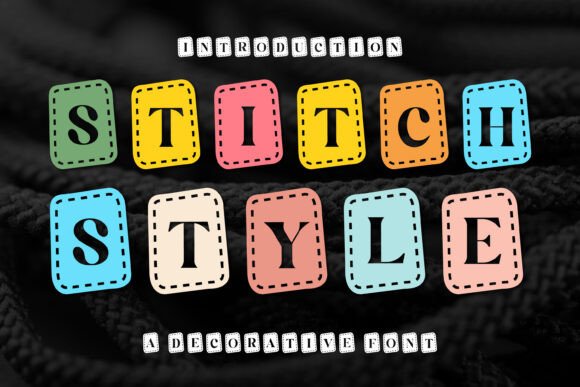
At first glance, Stitch Style is unmistakably playful and textured. It’s a display font designed for impact, not for setting long blocks of body text. The characters mimic the look of letters formed from thread or yarn, with a stitched outline that gives each letterform a tactile, three-dimensional quality. The style often falls into a category that blends handwritten font sensibilities with a more structured, almost illustrative approach.
Unlike a traditional script font that flows with cursive elegance, or a rigid sans serif font, Stitch Style exists in a unique space. It’s casual but deliberate, whimsical but legible. The personality is one of approachable creativity and joyful energy. It doesn’t whisper; it invites you in with a friendly, crafty smile. This makes it an excellent tool for projects that need to convey authenticity, fun, and a personal touch without sacrificing professionalism.
Where This Vibrant Font Truly Shines
Understanding a font's strengths is key to using it effectively. Stitch Style isn't a universal workhorse like a classic serif font or a neutral sans serif font. Its power lies in specific, high-impact applications where its character can elevate a project from good to memorable.
Branding and Logo Design
For businesses in the lifestyle, craft, food, or boutique retail space, a logo set in Stitch Style can instantly communicate brand values. Imagine a bakery’s logo, a handmade soap company, or a local craft studio. The font builds an immediate association with care, quality, and a hands-on approach. It helps create a brand identity that feels human and relatable, which is a powerful differentiator in crowded markets.
Packaging and Editorial Design
On a product label, book cover, or magazine headline, this creative font acts as a visual magnet. It’s perfect for packaging design where you want the product to stand out on a shelf or in a digital storefront. In editorial design, it can make chapter titles, pull quotes, or feature article headers pop with energy, drawing the reader’s eye and setting a specific tone for the content inside.
Digital Presence and Social Media
In the fast-scrolling world of web design and social media graphics, grabbing attention is paramount. Stitch Style is ideal for hero section headlines, promotional banners, and Instagram story graphics. Its textured appearance breaks through the monotony of standard web fonts, making your message more likely to be noticed and remembered. It’s a fantastic tool for creating a cohesive and engaging visual feed.
Personal Projects and Event Materials
Beyond commercial use, the font adds a wonderful spark to personal creations. Think wedding invitations, party banners, scrapbook titles, or custom greeting cards. For crafters and hobbyists, having a premium font like this in their toolkit means being able to produce professional-looking designs for personal milestones and projects with ease.
Using Stitch Style Effectively: A Practical Guide
A powerful tool requires a thoughtful approach. To get the most out of Stitch Style and ensure it enhances rather than hinders your project, consider these practical tips.
Evaluating Project Fit and Readability
The first question is always about context. Is your primary goal to convey detailed information, or to create an emotional impact? For the former, choose a different font. For the latter, Stitch Style is a strong candidate. Always consider readability. Because it’s a textured display font, it works best at larger sizes. Test it at the intended size in your layout. If the stitching detail becomes muddy or the letters blend together, it’s the wrong application. It’s meant for headlines, logos, and short phrases, not for a 12-point paragraph in a report.
Mastering Font Pairing
The key to a balanced design is often a strong font pairing. Stitch Style’s strong personality means it pairs best with something calm and neutral. A clean, geometric sans serif font like Montserrat or Lato for body text creates a beautiful contrast. A simple, readable serif font like Lora or Merriweather can also work, lending a slightly more traditional feel. The goal is to let the creative font be the star of the show, supported by a reliable co-star that handles the heavy lifting of legibility.
Exploring Included Styles and Licensing
A quality typeface often comes with more than one style. Check if Stitch Style includes variations like bold, outline, or even a version with different stitch patterns. These variations can add valuable versatility to your design assets. Equally important is understanding the commercial font license. Ensure the license covers your intended use, whether it’s for a client’s logo, a printed product for sale, or a website. This step is non-negotiable for professional and legal compliance.
Ultimately, Stitch Style is more than just another novelty typeface. It’s a bridge between the digital and the handmade, offering a way to infuse projects with warmth, personality, and a sense of crafted care. When used with intention and an understanding of its strengths, it can transform a standard design into something that genuinely connects with an audience on a human level. It’s a reminder that in modern typography, sometimes the most powerful tool is one that feels a little less perfect and a lot more personal.