Mastering Bold Typography with Afterclap Outline Edition
In the crowded landscape of modern branding, visual clarity is everything. You need a typeface that cuts through the noise without adding unnecessary complexity to your layout. Enter Afterclap Outline Edition, a geometric sans-serif display font that balances industrial strength with a contemporary edge. This isn't just another blocky font; it is a purposeful design asset engineered for maximum impact. With its all-caps construction and tall, narrow proportions, this premium font allows you to stack words vertically or fit long headlines into tight horizontal spaces without sacrificing legibility. It is the kind of typeface that instantly signals confidence, making it a staple for designers who value clean lines and strong visual hierarchy.
The Anatomy of a Modern Display Typeface
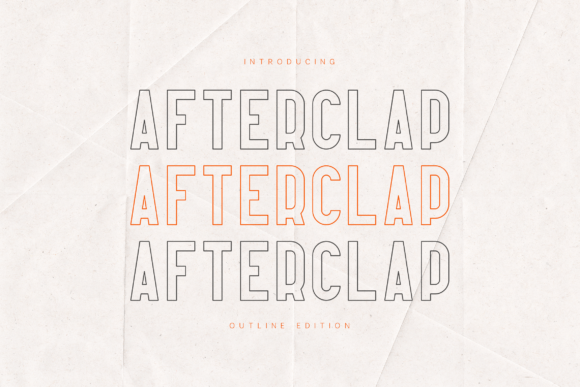
Understanding the visual personality of Afterclap Outline Edition helps in deploying it effectively. The typeface relies on geometric precision, meaning the curves and angles are mathematically consistent, creating a harmonious rhythm. The defining feature, of course, is the outline treatment. Unlike a solid block font, the hollow design creates a striking negative space effect. This transparency makes it incredibly versatile for layering typography. Imagine placing this outline over a vibrant image or a solid color block; the text remains readable while allowing the background texture to breathe through the letters. This characteristic makes it a favorite for packaging design and poster design where depth and dimension are required without the heaviness of solid fills.
However, using an outline font requires a strategic approach. Because of its high-contrast nature, Afterclap Outline Edition is strictly a display font. It is not designed for body copy or long paragraphs of text. Its tall x-height and narrow width are optimized for headers, sub-headers, and short, punchy statements. When you use this typeface, you are making a deliberate choice to prioritize style and impact over the neutral readability required for extended reading. It serves as the visual anchor of your design, drawing the eye immediately to your most important message.
Strategic Applications Across Industries
The versatility of Afterclap Outline Edition lies in its ability to adapt to different brand voices through color and context. For streetwear designs and athletic branding, this font is a natural fit. Its vertical structure mimics the towering presence of athletes or urban architecture, creating a vibe that is both energetic and authoritative. Think about gym supplement labels, team jerseys, or social media graphics for fitness challenges. The boldness of the font communicates power, while the outline style keeps the design looking fresh and modern rather than heavy and dated.
Beyond athletics, this creative font shines in the tech and startup sectors. Modern technology brands often favor minimalist design and clean aesthetics. The geometric nature of Afterclap Outline Edition aligns perfectly with a modern typography approach used in web design and digital graphics. It works exceptionally well for hero sections on websites, event banners, or app interface headers. The clean, strong borders ensure that even at smaller digital resolutions, the letterforms remain distinct and professional. It provides the "sturdy, commanding presence" necessary to build trust with a digital-first audience.
Mastering Font Pairing and Color
A display font rarely stands alone; it needs a partner to handle the heavy lifting of information. Pairing Afterclap Outline Edition effectively is crucial for a balanced brand identity. Because this typeface is loud and geometric, it contrasts beautifully with softer, more organic scripts or traditional serifs. Try pairing it with a classic serif font for editorial layouts to create a sophisticated tension between old and new. Alternatively, if you are aiming for a clean, technical look, pair it with a light-weight, humanist sans serif font for the body text. This ensures the outline headlines pop while the supporting text remains highly readable.
Color plays an equally vital role in how this font is perceived. The "hollow" nature of the outline means the background color is just as important as the stroke color. For a high-energy vibe, such as a tech startup launch or a music festival poster, consider pairing the font with neon palettes like electric orange or lime green against a dark slate background. For more conservative applications, such as editorial design or corporate logo design, a monochromatic scheme—dark grey outlines on a light cream background—can evoke a sense of elegance and stability.
Practical Evaluation for Your Project
Before integrating Afterclap Outline Edition into your next project, conduct a few practical tests. First, evaluate the medium. This font excels in large-scale print design and high-resolution digital screens, but be cautious with small-scale print like business cards or fine print on packaging. At very small sizes, the outline gap can close up, making the text look muddy. Always print a test sheet or view a mockup at 100% zoom to ensure legibility.
Second, consider the mood. While this typeface is versatile, its "industrial" and "athletic" roots mean it might feel out of place on a vintage bakery menu or a whimsical wedding invitation. It is best suited for brands that want to project strength, modernity, and forward-thinking innovation. Finally, check your licensing. Ensure you have the appropriate commercial font license for your intended use, whether it is for a single client project, a massive advertising campaign, or merchandise for sale. By matching the font’s personality to your project's goals, Afterclap Outline Edition becomes more than just letters—it becomes a powerful tool for communication.
Key Takeaways for Designers
- Best Use Cases: Headlines, posters, branding, logos, editorial layouts, packaging, and digital graphics.
- Style Guide: All-caps, geometric, tall, narrow, and outlined.
- Pairing Advice: Combine with clean sans-serifs for tech or classic serifs for editorial contrast.
- Color Strategy: Use bold neon colors for energy or monochromatic schemes for sophistication.
- Readability: Avoid using for body text; reserve for high-impact display settings.